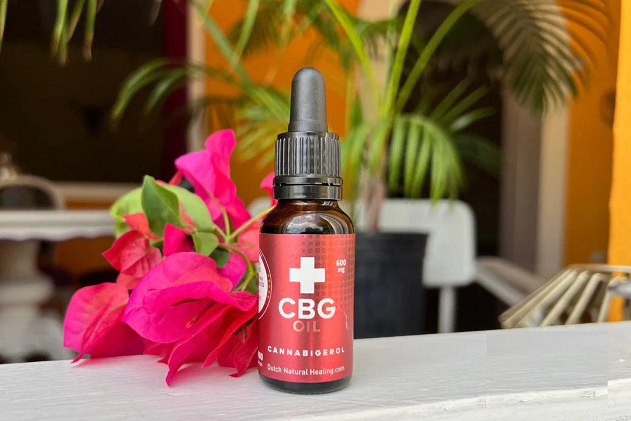
Cannabinoids have shifted from niche research subjects to mainstream ingredients in wellness and therapeutic formulations. Among them, CBG oil has emerged as an ingredient of increasing interest for formulators, clinicians, and consumers alike. Its unique biochemical profile and potential benefits differentiate it from more familiar cannabinoids, prompting exploration into new product categories and applications. This article examines how CBG oil is being incorporated into products, what distinguishes it from other cannabinoids, and why the industry supporting it continues to grow.
Understanding the nuances of CBG and how it integrates into formulations is essential for scientists, product developers, and stakeholders who are navigating evolving regulatory landscapes, consumer expectations, and scientific inquiry. This examination focuses on real-world applications, formulation science, and the converging forces driving industry expansion.
What Makes CBG Oil Distinct
Cannabigerol (CBG) is often referred to as the “mother cannabinoid” because it is a precursor to other major cannabinoids, including CBD and THC. In the living cannabis plant, acidic forms of these molecules begin as CBGA, which enzymatically shift into other compounds during growth. This biochemical role positions CBG uniquely within the cannabis metabolome.
Unlike CBD, which has been widely studied and commercialized, CBG has historically occurred in lower concentrations in most cannabis cultivars. Only with advancements in breeding and extraction has CBG become commercially viable. The result is an oil that carries distinct properties, a slightly different molecular interaction pattern with the endocannabinoid system, and potentially diverse effects.
For formulators and researchers alike, this distinctiveness raises both opportunity and challenge. On one hand, CBG’s pharmacological profile suggests it may affect receptors and pathways differently than CBD or THC. On the other hand, limited long-term clinical data means developers must proceed with scientific caution, leaning on foundational research, expert consensus, and rigorous safety evaluation.
Integrating CBG Oil Into Formulations
Formulating with CBG oil requires understanding both its chemical characteristics and its intended application. Developers typically approach CBG in three broad categories: wellness applications, topical therapeutics, and functional nutrition.
Wellness Tinctures and Oral Delivery
One of the most direct ways to include CBG oil in a product is through tinctures. These liquid formulations allow for precise dosing and flexible consumer administration. When wellness brands incorporate CBG, it’s often paired with carrier oils, flavour agents, and complementary botanicals to support a desired user experience — whether calming, focusing, or supporting general balance.
Tinctures can be designed for sublingual delivery, where the oil is held briefly under the tongue to enhance absorption. Formulators must ensure compatibility between CBG oil and other ingredients, paying close attention to solubility and stability. Choosing the right carrier — such as medium-chain triglycerides — can improve bioavailability, clarify flavour profiles, and maintain a consistent product experience.
Topical Systems and Skin Health
The skin represents a significant frontier for cannabinoid-based formulations, and CBG oil’s interaction with cutaneous receptors is of particular interest. Emerging dermatological research suggests that CBG may exert anti-inflammatory and antioxidant effects at the cellular level, making it an appealing ingredient for topical creams, balms, and serums.
Formulating for transdermal or topical delivery carves out a different set of priorities than oral products. Factors such as the oil’s rheology, emulsion stability, and interaction with preservatives and botanical extracts must be carefully calibrated. Chemists balance CBG oil with emollients, humectants, and delivery enhancers to promote skin penetration without irritation.
Because the dermal environment is heterogeneous — varying across individuals and anatomical locations — formulators often conduct skin compatibility studies and sensory evaluations to ensure the finished product performs as intended. This aligns with broader cosmetic and therapeutic product development practices, where consumer safety and user experience are paramount.
Functional Nutrition and Edibles
Edible products present another space where CBG oil is making inroads. Incorporating cannabinoids into beverages, gummies, and nutraceuticals requires a deep understanding of how oil-based molecules interact with food matrices. Formulators must address issues like dispersibility, taste masking, and stability under heat or light.
In functional nutrition, CBG oil is often paired with other botanical extracts that support metabolic health, cognitive clarity, or relaxation. While the regulatory environment for edibles varies by jurisdiction, companies emphasize clear labeling, responsible dosing, and compliance with food safety standards.
The art of edible formulation also involves sensory science. Cannabinoids can have inherent flavors that range from earthy to bitter, and balancing those with appealing taste profiles is critical for consumer acceptance. Techniques like microencapsulation and flavored carrier systems help manage organoleptic characteristics without compromising product integrity.
Quality, Standards, and Responsible Sourcing
Across all application categories, quality assurance remains a central pillar of sound formulation. Cannabinoid chemistry is sensitive: factors like heat, oxidation, and light exposure can degrade compounds or create undesired byproducts. This places a premium on sourcing from suppliers with transparent extraction and refinement processes.
Formulators should look for CBG oil that has been third‑party tested for purity, potency, and absence of contaminants such as residual solvents, pesticides, and heavy metals. Certificates of analysis from accredited laboratories provide the verification needed for safe, compliant product development.
Industry standards for hemp‑derived cannabinoids evolve alongside regulations. Many companies adopt Good Manufacturing Practices (GMP) and implement rigorous batch documentation. Such measures not only ensure consistency but also foster trust among consumers, partners, and regulatory bodies.
Market Trends and Growth Drivers
Interest in CBG oil is not merely a scientific curiosity; it reflects broader shifts in consumer behavior and industry investment. A few notable forces shaping the market include:
Diversification of Cannabinoid Offerings
As consumers become more educated about cannabinoids beyond CBD and THC, demand for alternative compounds grows. CBG’s distinct profile and potential applications make it an attractive differentiator for brands seeking to expand their portfolios. Retailers and wellness practitioners recognize that informed consumers often look for specialized formulations tailored to their preferences.
Research and Professional Interest
Although large‑scale clinical trials on CBG are relatively nascent, basic research and preclinical studies provide a foundation for ongoing exploration. Academic institutions and independent labs continue to investigate how CBG interacts with physiological systems, including receptors involved in inflammation, neuromodulation, and immunity.
Professional interest from medical and wellness communities fosters a feedback loop: as practitioners observe outcomes in controlled settings, they contribute to the evidence base and help shape future applications.
Regulatory Evolution
The legal landscape for hemp‑derived cannabinoids continues to evolve. In many regions, laws differentiate between psychoactive and non‑psychoactive compounds, often allowing hemp‑derived CBG to be marketed where THC remains restricted. This regulatory clarity has enabled more companies to invest in formulation and distribution with confidence.
Regulators and standards bodies also emphasize accurate labeling and safety testing, helping to elevate industry norms. Compliance not only protects consumers but also builds legitimacy for cannabinoid‑based products in mainstream markets.
Considerations for Formulators
Formulating with CBG oil invites thoughtful attention to chemistry, physiology, and market dynamics. Whether the goal is to introduce a new wellness tincture or develop an advanced topical, developers should consider several priorities:
- Compatibility: Evaluate how CBG oil interacts with other ingredients, especially in complex matrices.
- Bioavailability: Design delivery systems that enhance absorption and effectiveness for the intended route.
- Safety: Conduct stability and compatibility testing, and ensure products meet quality standards.
- Labeling and Claims: Adhere to regulatory guidelines for cannabinoid content, usage instructions, and health claims.
- Consumer Experience: Prioritize sensory qualities such as texture, flavor, and ease of use.
By grounding formulation strategies in science and industry best practices, developers can create products that are both effective and reliable. CBG oil, with its distinct molecular character and expanding availability, offers formulators an intriguing avenue for innovation.
The Future of CBG in Industry
The rise of CBG as an ingredient reflects both scientific progress and shifting consumer interest. While CBD will likely remain the predominant cannabinoid in many applications, CBG’s potential adds valuable diversity to the landscape. Researchers, brands, and formulators are increasingly willing to explore how cannabinoids can be tailored to specific audiences and outcomes.
For businesses sourcing raw materials, reputable extract suppliers play a crucial role. Access to high‑quality CBG oil enables experimentation, reduces formulation risk, and supports product consistency. Whether deployed in wellness tinctures, skin care innovations, or functional edibles, CBG invites a more nuanced approach to cannabinoid science.
As the industry continues to grow, staying informed about emerging research, regulatory changes, and consumer expectations will be paramount. Formulators who integrate scientific rigor with thoughtful design are well-positioned to contribute to a sector that is dynamic, multidisciplinary, and increasingly relevant to broader health and wellness conversations.
Conclusion
CBG oil represents a compelling addition to the cannabinoid toolkit. Its biochemical uniqueness, coupled with growing consumer and professional interest, has established it as a valuable ingredient in formulations ranging from tinctures to topicals. Crafting products with CBG requires careful scientific consideration, adherence to quality standards, and an understanding of evolving market and regulatory forces.
As cannabinoid science advances and industry infrastructure strengthens, CBG is poised to play an expanding role in wellness, therapeutic, and functional products. For formulators and stakeholders, this presents both a challenge and an opportunity: to innovate responsibly, elevate standards, and contribute meaningfully to the emerging cannabinoid ecosystem. By anchoring formulation strategies in credible science and quality sourcing, the potential of CBG oil can be explored in ways that benefit both creators and consumers alike.