Some moments in live cricket stay sharp long after the final score is forgotten. Even bullet points disappearing, one ball, one moment of disbelief, or a sudden cheer can remain vividly in mind. These moments are remembered as feelings rather than full matches. Live cricket often feels poetic because timing, uncertainty, and shared emotion compress meaning into seconds. Real-time tools, including cricket bet apps, register these shifts instantly, before replays change the narrative. What keeps them alive is not skill alone, but how anticipation and context combine in the moment. Cricket’s rhythm lets those memories form naturally, as experiences rather than records.
Contents
Why do live moments leave a deeper imprint than replays?
Memory favors uncertainty. When the outcome is unknown, attention sharpens. During a live match, every ball carries possibility. A replay removes that tension. The viewer already knows what will happen, which softens emotional impact.
Live moments also demand presence. The mind is fully engaged because it is trying to predict, calculate, and feel at the same time. A wicket does not just happen. It interrupts expectations that were forming seconds earlier. That interruption is what makes the moment memorable.
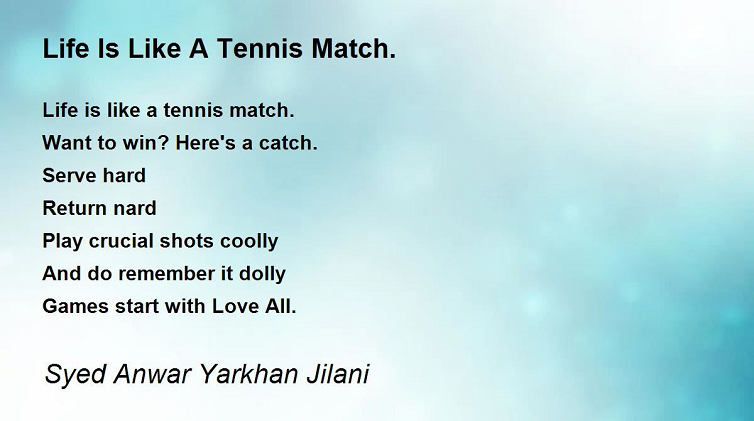
Replays present clarity without risk. Live viewing presents risk without clarity. That imbalance is powerful. It mirrors how strong lines of poetry work, arriving without warning and altering perspective instantly. Cricket’s live format produces the same effect by placing the viewer inside the uncertainty rather than outside it.
The rhythm of a match and the rhythm of emotion
Cricket unfolds in rhythm. Overs act like verses, each carrying its own mood. Some are quiet and restrained. Others arrive with sudden force. The alternation between these states creates emotional pacing.
A sequence of dot balls builds tension. A boundary releases it. A wicket resets everything. These shifts feel rhythmic because they repeat across a match, but never in exactly the same way. The familiarity of the structure makes the variation meaningful.
Emotion follows this rhythm. Long stretches of control make a sudden mistake feel louder. Extended pressure makes relief feel earned. This is why fans often remember not the total score, but the phase when momentum shifted.
Like poetry, cricket uses contrast to create meaning. Silence matters because it makes noise matter more. Waiting matters because it gives action weight.
Numbers that turn into memories
Numbers are not cold in live cricket. They are emotional markers. A score like 120/5 tells a story of fragility. A required rate climbing past ten per over signals urgency. A partnership reaching fifty suggests stability.
Fans rarely remember raw statistics. They remember situations. “Three needed off two.” “New batter at the crease.” “Last wicket standing.” These phrases stick because they describe pressure, not performance.
Live scorecards translate complex action into readable signals. Small changes carry large meaning. A single run can flip control. A single wicket can change belief. This is why fans often react to numbers before visuals. The data arrives first and the emotion follows immediately.
A short list explains why certain numbers stay in memory:
- Wickets in hand, because they define freedom or fear.
- Balls remaining, because they compress time.
- Required rate, because it measures pressure.
- Recent overs, because they reveal momentum.
- Partnerships, because they signal trust between players.
These elements turn mathematics into narrative. They allow fans to remember matches as moments rather than totals.
Live cricket is rarely experienced alone, even when watched alone. Messages arrive. Notifications buzz. A cheer is heard through a window. Someone reacts seconds before the stream catches up.
These shared reactions anchor memory. A moment becomes tied to where it was watched and who reacted first. Memory stores not just the event, but the surrounding context. This is why fans often recall matches by location or company rather than by date.
Collective awareness intensifies emotion. Knowing that thousands are reacting at the same second magnifies personal response. It transforms a private feeling into a shared one.
This is also why live moments feel heavier than highlights. Highlights are consumed individually and asynchronously. Live moments are experienced together, even across distance. That shared timing is what makes them linger.
Why certain moments stay long after the match ends
Enduring moments usually contain contrast. Calm followed by chaos. Hope followed by loss. Control followed by collapse. The sharper the contrast, the deeper the impression.
Surprise plays a role, but timing matters more. A six in the first over rarely stays memorable. A six in the final over often does. The same action carries different weight depending on context.
Personal meaning also attaches itself quietly. A fan might associate a moment with a particular night, conversation, or emotion unrelated to cricket. The match becomes a backdrop to life, and the moment becomes symbolic.
Live cricket excels at creating these conditions because it does not rush resolution. It allows tension to breathe. It lets expectation build and break. That process mirrors how poetry works, not by explaining everything, but by allowing feeling to emerge.
When sport becomes something more
Live matches are remembered like lines of poetry because they are experienced, not consumed. They ask for attention, patience, and presence. They reward those qualities with moments that feel earned rather than delivered.
Cricket’s format makes space for memory. It allows silence. It allows waiting. It allows sudden change. In that space, meaning forms naturally.
Long after the match ends, what remains is not the full scorecard, but a fragment. A ball. A pause. A reaction. Those fragments stay because they were lived in real time. Like poetry, they resist compression and explanation. They simply remain, clear and intact, long after the noise fades.