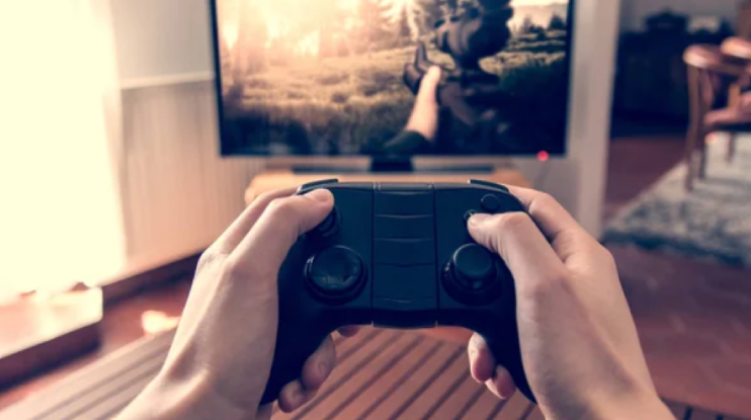
Have you ever noticed how gaming has started to shape the way people talk, spend time together, and express who they are?
Modern gaming has become a big part of daily culture for many people. It is not only about playing for fun anymore. It also influences friendships, creativity, language, learning, entertainment, and even how people celebrate small wins.
What makes this so interesting is how natural it feels. People play, chat, create, share, and slowly bring gaming habits into everyday life. These shifts are playful, social, and full of personal meaning.
Gaming Is Changing How People Spend Time Together
Modern slot88 gaming has created a new kind of social hangout. Friends can meet inside a game, talk while playing, and share a fun activity without needing a big plan.
This has made digital free time feel more active. Instead of only watching or scrolling, people can join in, make choices, and enjoy shared moments with others.
Play Has Become a Social Plan
For many people, saying “let’s play” now feels just like saying “let’s hang out.” It gives friends something easy to do together.
They may play a short match, build something, complete a task, or simply talk while moving through the game. The activity gives the conversation a natural flow.
This makes gaming feel less like a solo hobby and more like a regular way to connect.
Distance Feels Smaller
Modern gaming helps people stay close across cities, countries, and time zones. A friend, cousin, sibling, or teammate can join from another place and still feel part of the same moment.
That shared play can make distance feel softer. People laugh at the same moment, react to the same event, and build memories together.
Gaming Language Is Entering Daily Talk
Gaming has its own simple language. Short phrases, quick reactions, and playful words often move from games into regular conversations.
This language is easy to spot because it is direct, expressive, and full of energy. People use it to cheer, joke, plan, and react.
Short Phrases Carry Big Meaning
Gaming has made short communication feel normal. Words like “ready,” “level up,” “team up,” or “nice play” can make sense outside of gaming too.
People may use these phrases at work, school, or with friends because they are quick and clear. They turn everyday moments into something more playful.
Reactions Feel More Expressive
Emojis, gestures, and quick replies are a big part of gaming culture. Players use them to show joy, support, thanks, and excitement.
That habit has spread into daily digital talk. A simple emoji or short message can now carry warmth and personality in a way that feels familiar.
Personal Style Has Gone Digital
Modern judi bola gaming has made digital style feel important and fun. Players often express themselves through avatars, colors, outfits, usernames, and personal spaces.
This has shifted how people think about identity online. A digital look can show taste, humor, mood, and creativity.
Avatars Feel Like Personal Style
For many players, an avatar is more than a character. It is a way to show personality.
Some people choose calm looks. Some like bright colors. Some enjoy funny outfits. Some change their style depending on the day.
This makes digital self-expression feel normal, creative, and personal.
Usernames Become Familiar
A username can become part of someone’s identity in a gaming group. Friends may know a player by that name before they know anything else.
Over time, the name carries memories. It becomes linked to shared wins, funny moments, helpful actions, and regular play.
Creativity Is Becoming More Social
Modern gaming has made creativity feel more shared. People do not only create alone; they create with friends, teams, and communities.
This can happen through building, decorating, storytelling, character style, group events, or shared traditions.
Players Build Together
Group building is one of the clearest examples of creative culture in gaming. Players may create rooms, bases, maps, hangout spots, or themed areas.
Each person adds something. One chooses colors, one plans the layout, one adds funny details, and one keeps the idea organized.
The final result feels special because it belongs to the group.
Communities Create Traditions
Gaming groups often create their own small traditions. They might meet in the same spot, celebrate wins with the same move, or use a favorite phrase before starting.
These habits help communities feel close. They give people a sense of belonging and shared history.
Learning Feels More Playful
Modern gaming has also changed how people think about learning. It shows that skills can grow through practice, action, and feedback.
Players learn by trying, adjusting, watching others, and improving step by step. This makes learning feel active and enjoyable.
Practice Feels Natural
In games, people often repeat tasks because they want to improve. They try a move, test a plan, or learn a new path.
That kind of practice feels rewarding because progress is visible. Players can clearly see when they are getting better.
Team Skills Grow Through Play
Gaming also casually teaches social skills. Players learn to communicate clearly, share roles, listen, help others, and celebrate group success.
These skills are useful in many parts of life. Gaming simply gives people a fun place to practice them.
Entertainment Is Becoming More Participatory
Modern gaming has inspired a wider shift in entertainment. People enjoy taking part, not only watching.
They want choices, interaction, social moments, and creative control. Gaming has helped make those things feel normal.
People Like Shaping the Moment
In games, players can affect what happens. They can choose a path, make a plan, or react in real time.
That active role makes entertainment feel personal. It turns the player into part of the experience.
Gaming has made shared digital events feel exciting and social. Players can gather for special moments, group activities, creative showcases, or seasonal celebrations.
These events feel meaningful because people are part of them together.
Gaming Culture Keeps Growing Through Everyday Habits
Modern gaming has inspired cultural shifts that feel friendly, creative, and deeply human. It has changed how people connect, talk, learn, express style, and enjoy entertainment.
The most interesting part is that these changes come from everyday behavior. A short message, a shared laugh, a custom avatar, a group build, or a weekly play session can all shape culture.